
AI accident reconstruction: from a police report to an expert's numbers
A US legal-tech founder, an injury expert himself, had his analysis locked in Excel macros, and every case depended on his time. We built a platform that reads the case documents and photos with AI, runs the expert's own formulas and drafts the documents a lawyer needs.
All case studies- Client
- a US legal-tech startup in medico-legal accident analysis
- Service
- AI integration, document AI, machine learning, SaaS platform
- Built on
- Python, Django, Celery, OpenAI, Gemini, AutoGluon, Stripe
- Timeline
- October 2024 to September 2025
- Status
- delivered to staging and handed over to the client's own engineering team
The situation
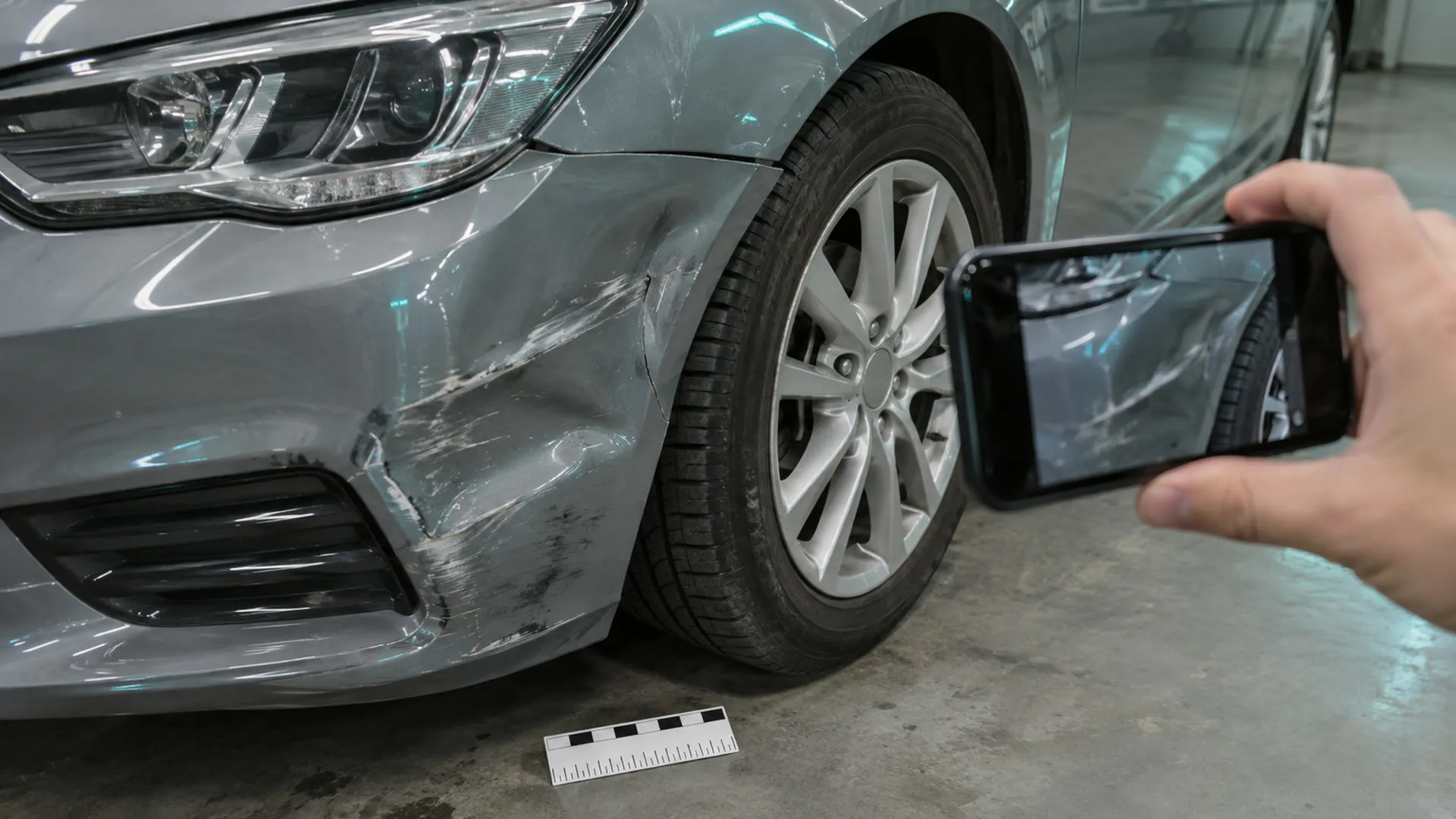
After a car accident, lawyers on both sides need hard numbers. How hard was the hit? From which direction? What did it do to the person inside?
An expert answers that from the police report, the car's event data recorder, the damage photos and the repair estimate. Our client did this himself, with his calculations living in Excel macros.
It worked, but only through him. Every case was manual, and every case was bound to one expert's time.
What we built
A SaaS platform with a workspace for each case, for either side of the dispute.
- 01Accident reconstruction
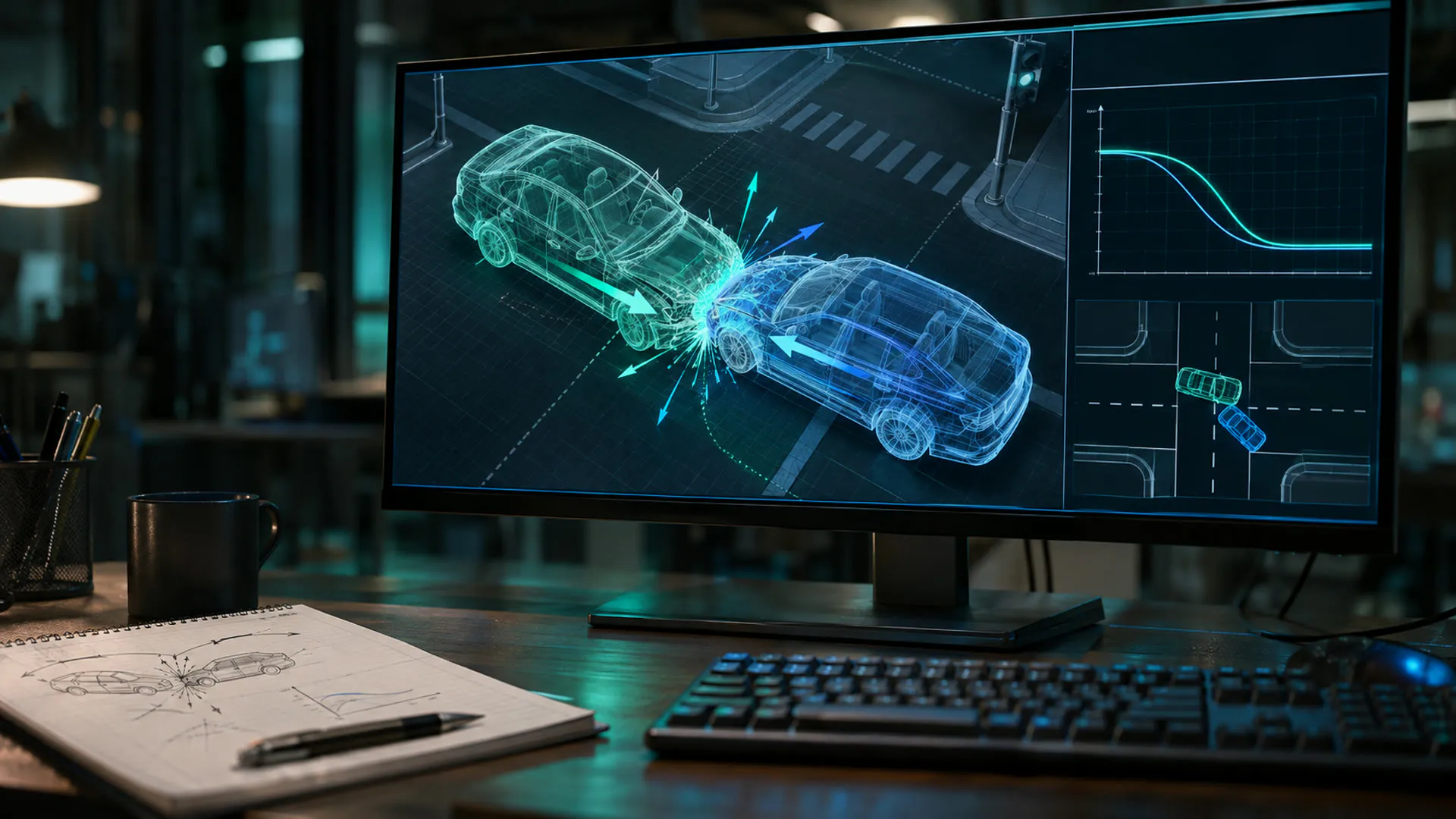
Upload the police report, the event data recorder report, damage photos and repair estimates for each vehicle. The platform returns the change in speed at impact (Delta-V, as a range), the main direction of force and the length of the crash pulse, with a confidence score.
- 02Biomechanics
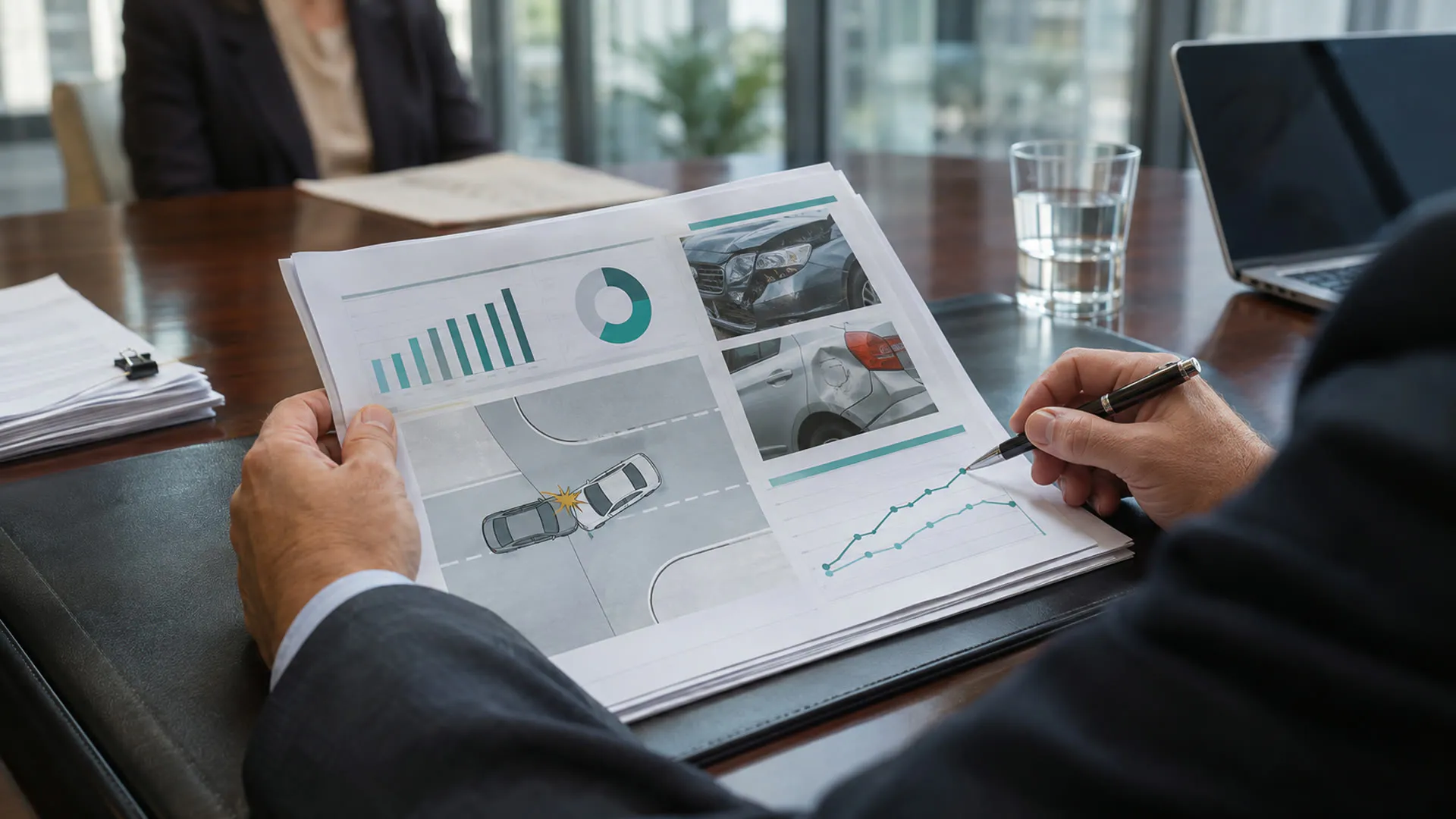
The client's own formulas, moved from Excel to Python, run on the case data. The platform describes the tables and charts in plain language and builds the full report.
- 03Tools for lawyers
A deposition question generator that reads an expert's CV and materials and drafts questions for either side. A research scrutinizer that writes a critical review of the studies an expert relies on.
- 04
Billing with Stripe, accounts with Google and Outlook sign-in.

Where the AI works
GPT models read the police report into structured data: date, place, weather, vehicles, seatbelts, airbags, injuries and the sequence of impacts. They pull the Delta-V tables out of event data recorder reports, in either unit.
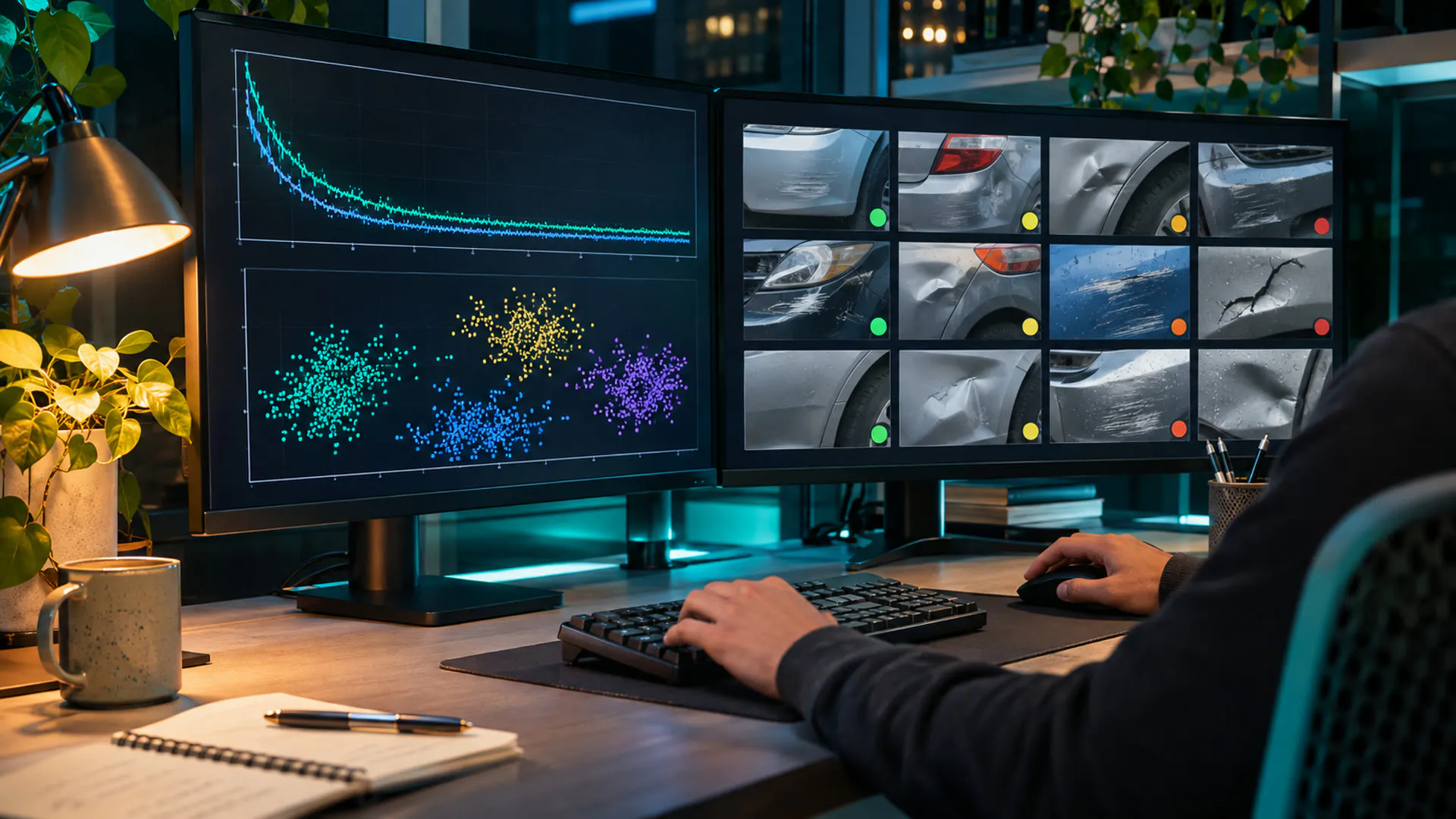
Gemini scores the damage on each part of the vehicle and returns structured data for all photos at once.
Models trained with AutoGluon on the client's past cases estimate the key parameters. Of 803 cases in the client's set, 374 were usable for training.
A vector search finds the closest precedent cases by damage pattern.
Deterministic checks keep the answer physical: momentum must balance between the two vehicles, red flags are raised and the Delta-V range is kept tight. The result comes with a confidence score, not a single magic number.

Built to be checked
- The biomechanics formulas are the client's. We did not replace his science, we integrated it.
- To prove the move from Excel was right, we built a script that runs the original Excel macro and the new Python code on the same input and compares the results. The client's team logged every mismatch, and we fixed them one by one.
Results
We delivered the platform to staging. The code lives in the client's own repositories, and his engineering team now develops it.
Over eleven months the platform grew from a three-month MVP plan into reconstruction, biomechanics, legal tools and billing.

Expert work stuck in spreadsheets and PDFs?
We start with a fixed-price pilot from $1,000 on one of your real cases.
Book a call about your processExpert work stuck in spreadsheets and PDFs?
Tell us in two lines. We'll reply with how an agent would take it over and what the first step would cost.
- A fixed-price first step, from $1,000
- Half at the start, half after we check it on your data
- NDA on request
- [email protected]Vitaliy, CEO
- Vesivärava tn 50-201, 10152 Tallinn, EstoniaHead and development office