
An AI building-compliance MVP, from first call to handover in eight weeks
An Australian founder in building compliance had a big vision and thousands of defect reports. He needed a working MVP fast, to show the industry. We built a web app that checks building products against Australian rules from a photo and turns photos of defects into a formal report.
All case studies- Client
- an Australian founder in building compliance for residential construction
- Service
- AI product development, MVP
- Built on
- React 19, TypeScript, Vite, Redux Toolkit, Python, Django, OpenAI GPT
- Timeline
- June to early August 2025; code, design and deployment guide handed over at the end of July
The situation
Building compliance in Australia is full of checks: is this product allowed, is this defect serious, what should be fixed first.
The founder's vision was wide: video defect detection, contract review, inspection planning, an "ask an expert" assistant.
For a first version, he needed one thing: a product he could put in front of builders and certifiers quickly.
Our first advice: web, not native
He came with a mobile app in mind. We recommended a web app instead.
It is cheaper to build, needs no App Store review, and works on a phone and on a desktop. The camera works straight from the browser.
What we built
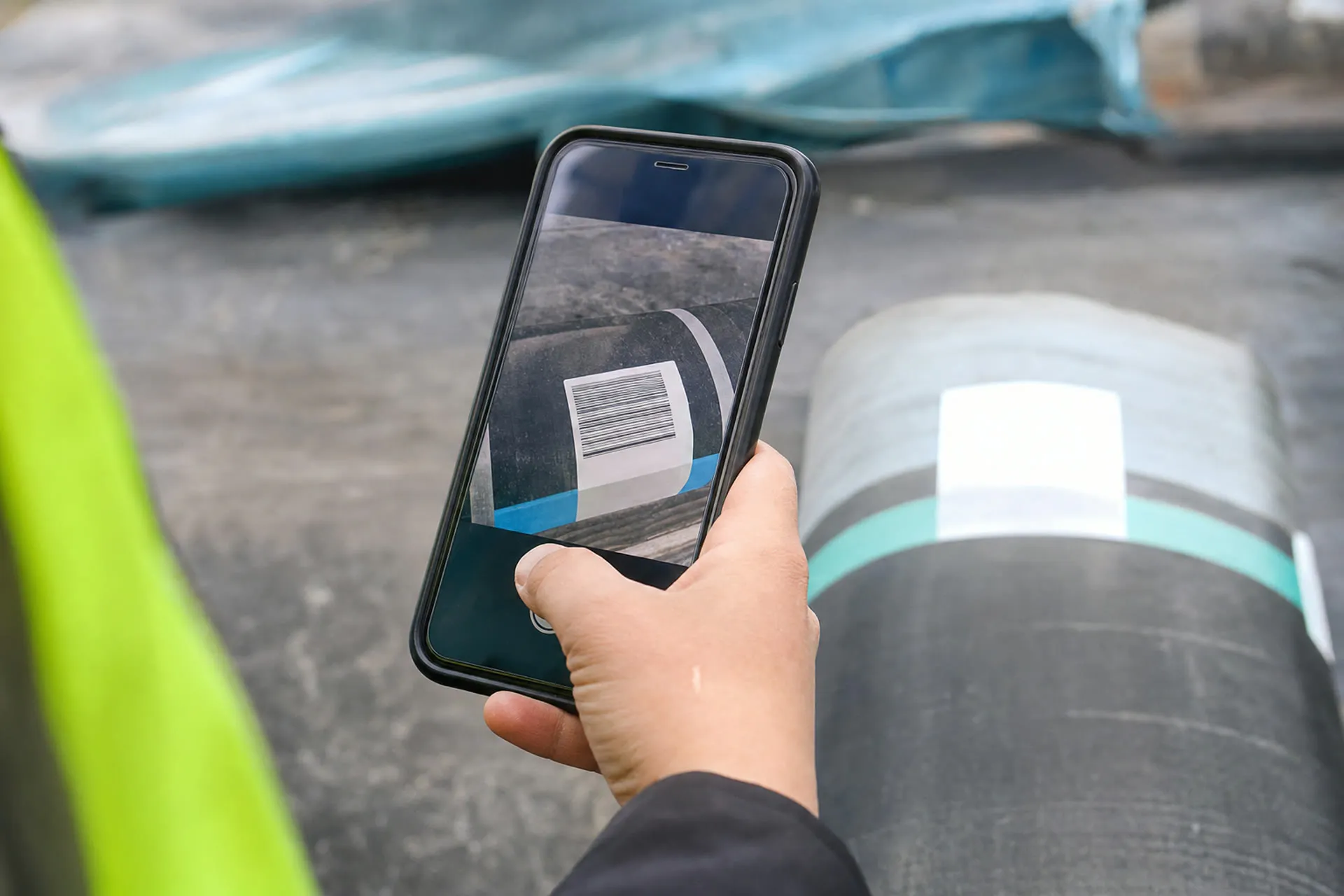
The user takes a photo of a building product with its barcode visible. The AI reads the product, the manufacturer and the barcode, and returns one of four statuses: compliant, rejected, needs attention or unknown, with a written evaluation against the National Construction Code and Australian Standards.
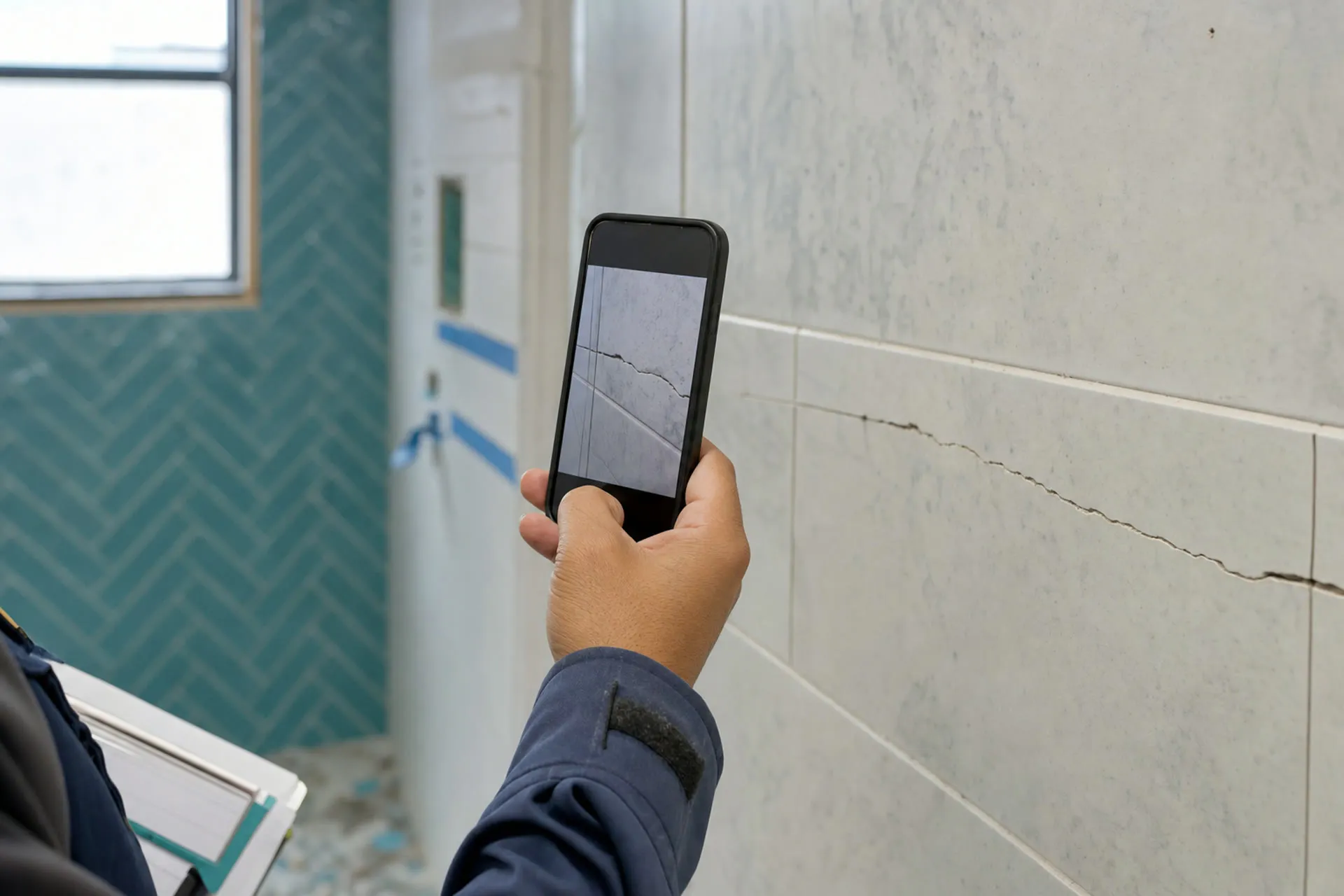
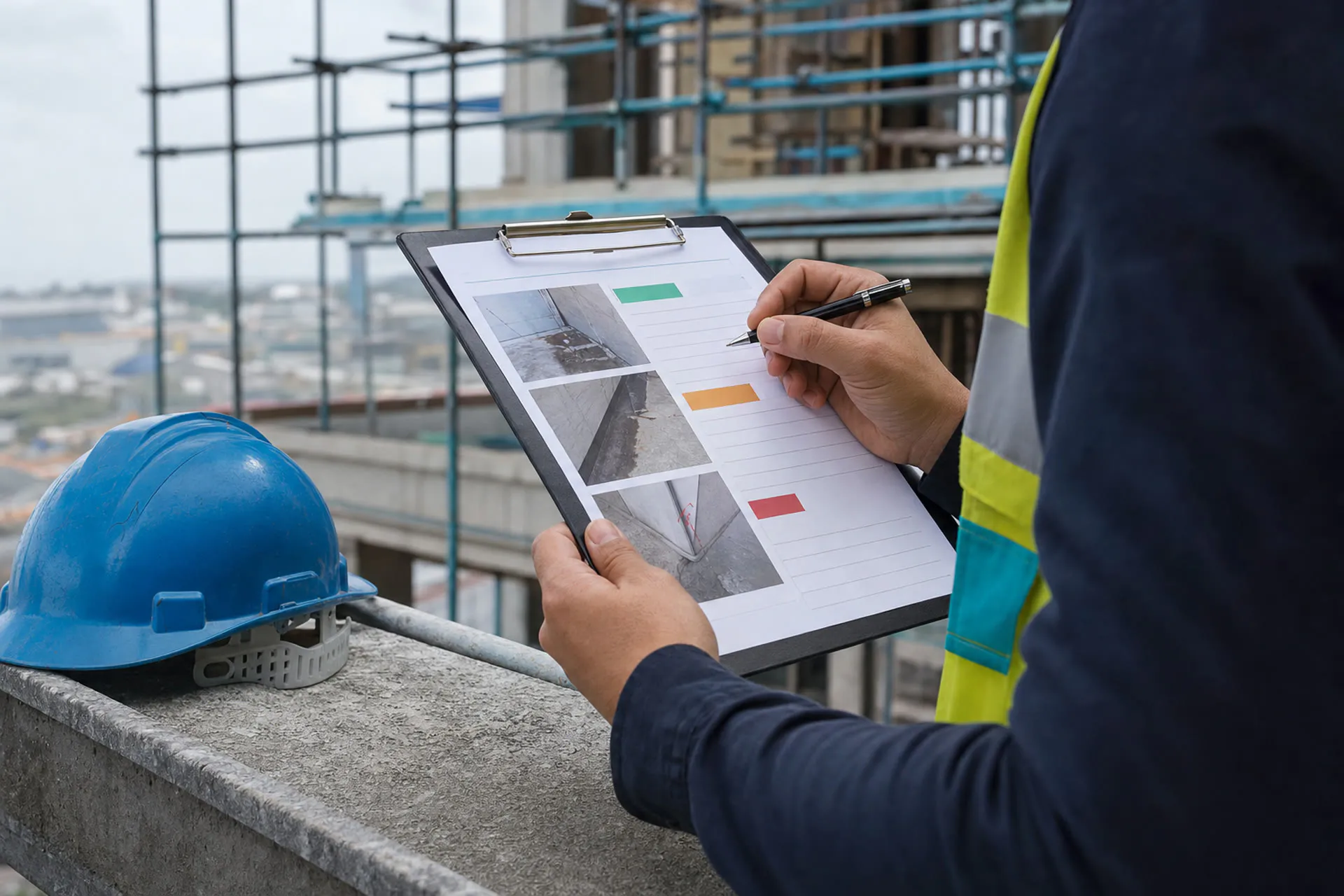
The user adds up to 20 photos of defects, each with a short location note. In the background the AI writes, for every photo, what it sees, what it means, what to do and how urgent it is. It also titles the report. One click turns it into a formal PDF.


What we learned on the way
Statuses and barcode reading were not stable at first. We moved to a stronger model, and a dedicated standards database is the natural next step for the product.
Photos taken on phones arrived rotated, and the first report was sometimes saved twice. We fixed both before handover.
For the MVP we agreed that the model's own knowledge of the code was enough. We did not promise more than an MVP can carry.
Results
In about eight weeks the founder had a working web app, the source code of the front end and back end, the designs and a step-by-step deployment guide. Everything was his to own and run.

Have an AI product idea and need a first version you can show?
We start with a fixed-price first stage from $1,000.
Book a call about your processHave an AI product idea and need a first version you can show?
Tell us in two lines. We'll reply with how an agent would take it over and what the first step would cost.
- A fixed-price first step, from $1,000
- Half at the start, half after we check it on your data
- NDA on request
- [email protected]Vitaliy, CEO
- Vesivärava tn 50-201, 10152 Tallinn, EstoniaHead and development office